 TR
TR  EN
EN  RU
RU .png)
Charcot Foot Surgical Treatment
Charcot Foot Surgical Treatment
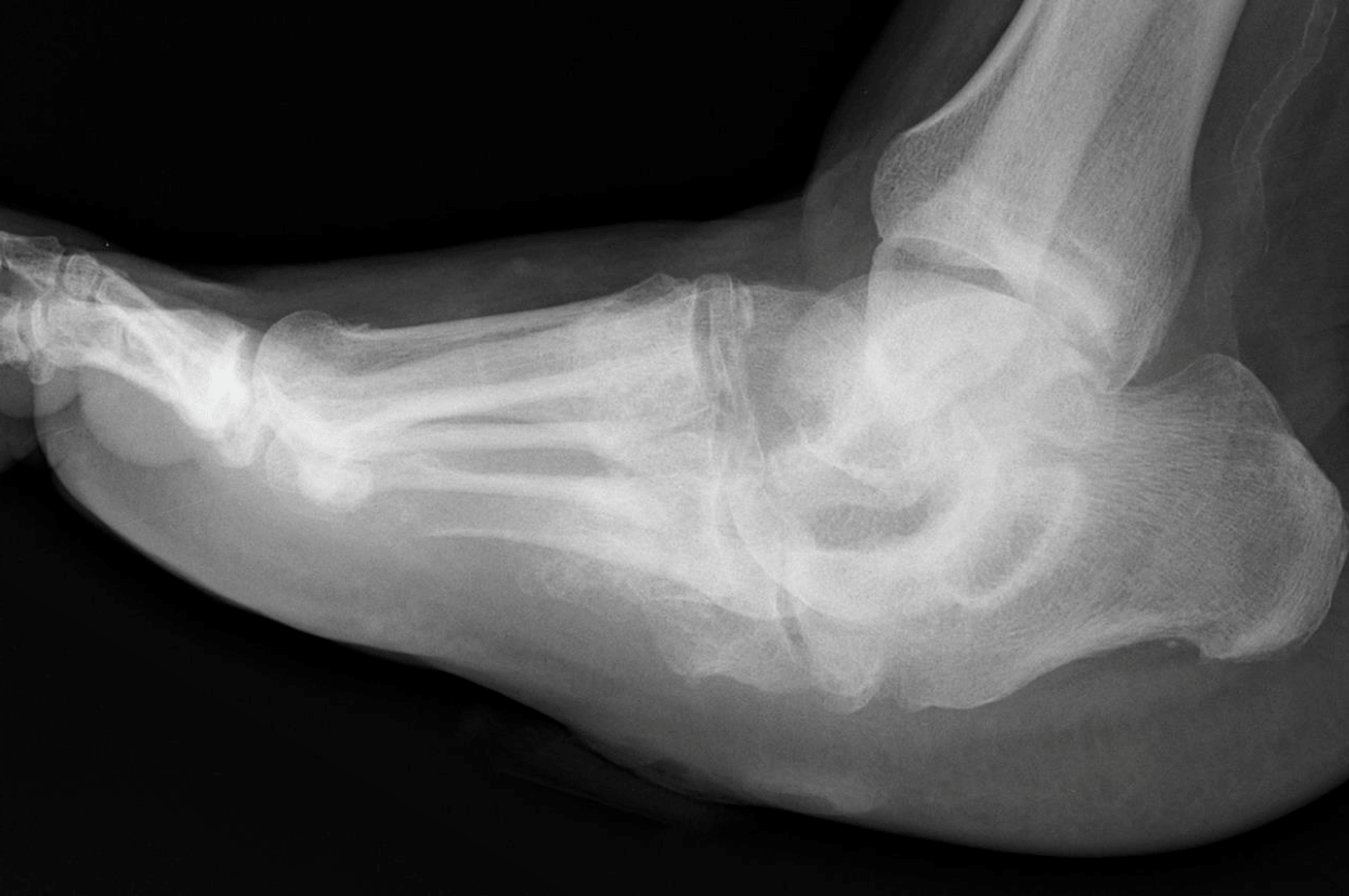
Charcot foot syndrome is a rare condition that causes osteoporosis and deformation of the foot bones due to diabetic neuropathy or other reasons. Surgical treatment of this syndrome may be required to correct foot deformities and preserve foot health. Surgical treatment of Charcot foot syndrome has the following purposes:
Correcting Foot Deformations: In Charcot foot syndrome, serious deformations of the foot bones may occur. Surgery can correct these deformities and rebuild the foot structure.
Infection Control: The risk of infection increases during Charcot foot syndrome. Surgical intervention aims to control infections and, when necessary, infected tissue is removed.
Pain Management: Pain is often associated with Charcot foot syndrome. Surgery can relieve pain and restore function to the foot.
Wound Healing: Charcot foot syndrome increases the risk of foot wounds. Surgery can speed wound healing and promote healing.
Surgical treatment
It may vary depending on the specific case and the severity of the deformity. The procedure may involve a variety of techniques to correct deformities, which may include bone incisions, fixation plates, and the use of screws. More than one surgical intervention may be required to rebuild the foot structure.
Post-Surgery Recovery Process
It may vary depending on the patient's general health condition and the complexity of the surgery. Patients are usually hospitalized for a period of time and begin physical therapy. Physical therapy helps regain foot function and increase the functionality of the foot.
Surgical treatment of Charcot foot syndrome is important to maintain foot health and correct foot deformities. However, such surgical procedures involve risks and the treatment plan should be personalized according to the patient's specific condition. Therefore, it is important to consult with an orthopedic surgeon or foot surgeon when Charcot foot syndrome is suspected or diagnosed. Experts can explain the most appropriate treatment options and recovery processes.
Contact Us
.png)