 TR
TR  EN
EN  RU
RU .png)
Lower and Upper Extremity Deformity Surgery
Lower and Upper Extremity Deformity Surgery
Lower and upper extremity deformity surgery refers to surgical interventions performed to correct abnormal shape, size or structural deformities in the lower and upper extremities of the body (arms and legs). Such surgical interventions can correct deformities that may occur for various reasons and improve patients' functionality, comfort and quality of life.
Lower Extremity Deformity Surgery:
Hallux Valgus Surgery: Hallux valgus is a condition in which the big toe curves outward, causing a swelling called a bunion. Surgery aims to straighten the big toe bones and correct the deformity.
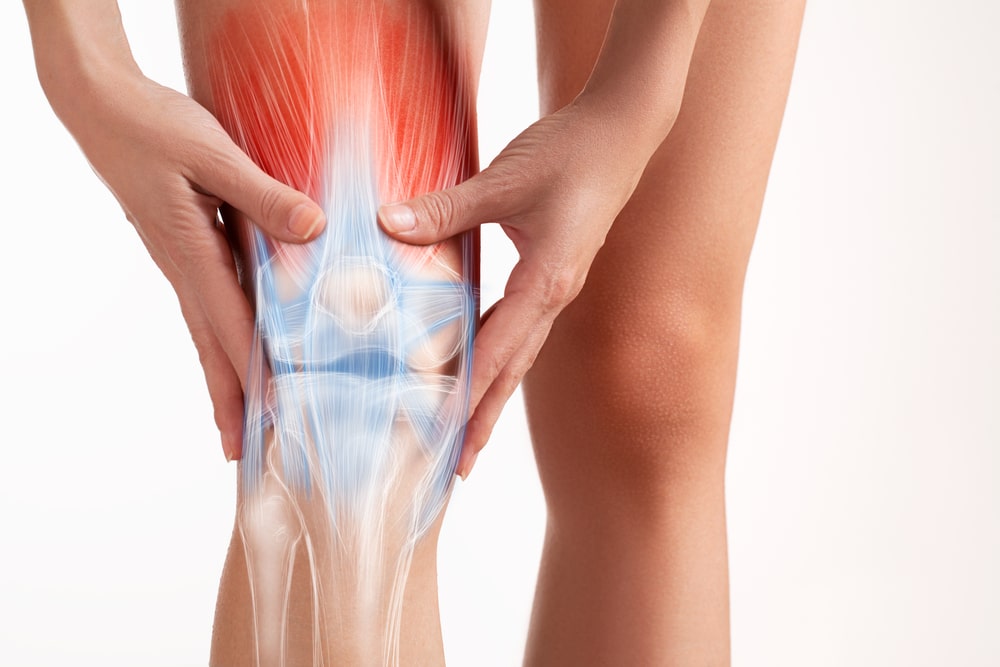
Varus or Valgus Knee Osteotomies: Knee joint osteotomies may be performed to correct deformities in the knee. Varus refers to a condition in which the knee bends inward, while valgus refers to a condition in which the knee bends outward.
Foot Bones Osteotomies: Osteotomies can be performed to correct deformities in the foot bones. For example, ankle or foot height may be corrected.
Upper Extremity Deformity Surgery:
Dupuytren's Contracture Surgery: Dupuytren's contracture is a condition in which the fingers are bent as a result of compression of the connective tissue in the palm of the hand. Surgery aims to remove connective tissue and straighten the fingers.
Carpal Tunnel Syndrome Surgery: Carpal tunnel syndrome is a condition that causes numbness and weakness in the hand due to nerve compression in the wrist area. Surgery aims to release the area where the nerve is compressed.
Shoulder and Elbow Surgery: If there is pain or limited mobility due to deformities or injuries in the shoulder or elbow joints, surgical intervention may be required.
Deformity surgery is individualized based on the patient's specific condition, the severity of the deformity, and the patient's age. The healing process after surgery can vary, and physical therapy is often part of the rehabilitation process.
Contact Us
.png)