 TR
TR  EN
EN  RU
RU .png)
Surgical Treatments for Lower Extremity Fractures
Surgical Treatments for Lower Extremity Fractures
Lower extremity fractures refer to bone fractures affecting the leg, knee, ankle and foot areas. Such fractures can occur for a variety of reasons and can lead to serious consequences. Here is basic information about lower extremity fractures:
Hip Fractures and Dislocations:
-
The hip joint forms a large joint between the femur (thigh bone) and the pelvis (hip bone). Hip fractures and dislocations may include:
-
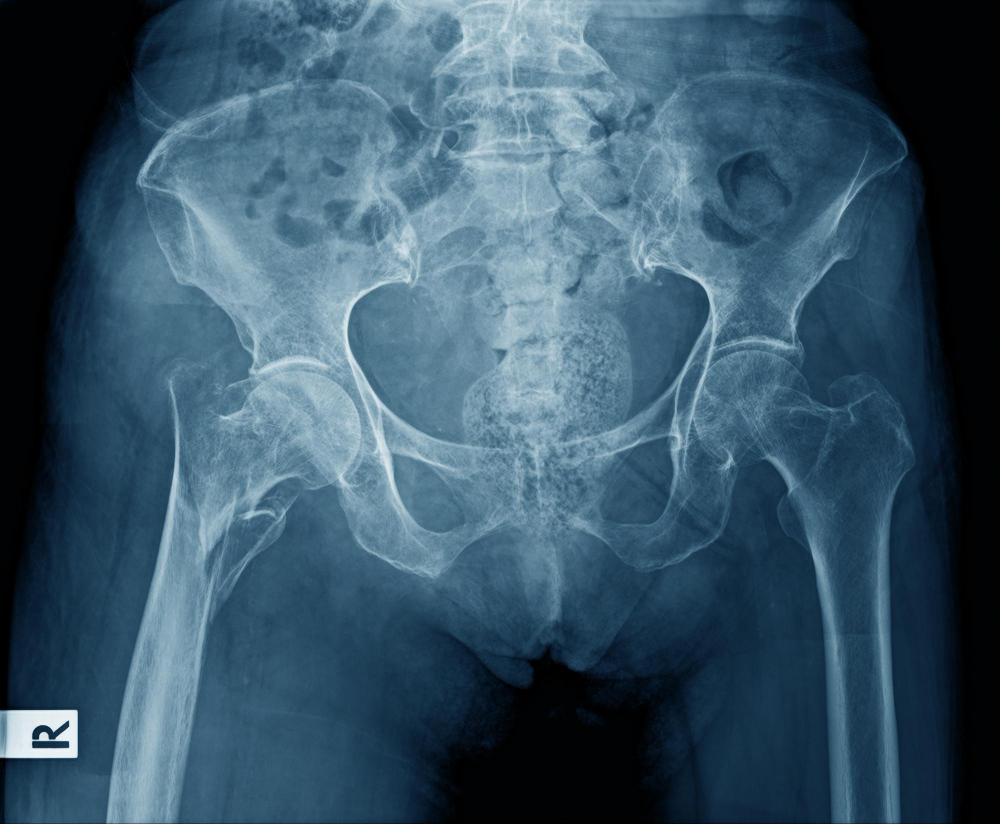
Hip fractures: Occur in the head or neck of the femur. These fractures usually occur in the elderly as a result of falls.
-
Hip dislocations: The head of the femur comes out of the acetabulum (hip socket). This occurs as a result of severe trauma and requires emergency surgery.
Knee Fractures and Dislocations:
-
The knee joint is the place where the femur (thigh bone), tibia (large bone) and patella (kneecap) bones meet. Knee fractures and dislocations may include:
-
Knee fractures: Usually occur when the bone of the tibia or femur cracks or breaks. These fractures usually occur as a result of high-energy trauma.
-
Knee dislocations: It is a serious injury that occurs as a result of separation or dislocation of the knee joint, femur and tibia bones.
Ankle Fractures and Dislocations:
-
The ankle joint is where the tibia and fibula (small bone) bones meet the ankle bones. Ankle fractures and dislocations may include:
-
Ankle fractures: May occur as a result of a fracture or crack of the tibia or fibula.
-
Ankle dislocations: It is a serious injury caused by the dislocation of the tibia and fibula.
Femur Fractures:
-
The femur, also known as the thigh bone, is one of the longest and strongest bones in the body. Femur fractures may include:
-
Femoral neck fracture: The neck of the femur is just below the femoral head, and fractures in this area usually occur as a result of falls in elderly individuals. These fractures can cause serious complications.
-
Femur shaft fracture: It occurs in the middle region of the femur and may occur as a result of trauma or accidents. These fractures often require surgical intervention.
Tibia Fractures:
-
The tibia is a large bone located on the front of the leg. Tibia fractures may include:
-
Tibia shaft fracture: It occurs in the body of the tibia and may occur as a result of high-energy trauma or heavy blows. These types of fractures often require double traction.
-
Tibial plateau fracture: The upper end of the tibia (tibial plateau) may fracture in relation to the knee joint. These types of fractures can affect the stability of the knee.
Symptoms:
Lower extremity fractures may present with severe pain, swelling, bruising, limited movement, and sometimes an abnormal shape or location change. These symptoms may vary depending on the type and severity of the fracture.
Reasons:
Lower extremity fractures may occur due to traumatic events (e.g., falls, traffic accidents), sports injuries, or repetitive stress. Additionally, factors such as bone weakness and osteoporosis can also increase the risk of fracture.
Treatment:
Lower extremity fractures are treated depending on the type, location and severity of the fracture. Treatment options may include casting, splints, devices, surgical correction, and physical therapy. Surgical intervention aims to stabilize the fracture and ensure its correct alignment.
Healing Process:
Lower extremity fractures can heal with appropriate treatment and rehabilitation. The patient should be under regular check-ups and follow the recommendations of his surgeon or doctor. Physical therapy can help regain strength and mobility.
Lower extremity fractures usually lead to successful recovery when treated correctly and in a timely manner. Treatment is individualized based on the type and severity of the fracture. The recovery process requires patience and consistency, but eventually the patient can usually return to normal activities.
To get more information about lower extremity fractures or such injuries, visit Op. in Şişli, Istanbul. Dr. It is important that you apply to Serkan Akçay Clinic. Professional medical advice is critical to a speedy and healthy recovery.”
Contact Us
.png)