 TR
TR  EN
EN  RU
RU .png)
Tarsal Tunnel Syndrome
Tarsal Tunnel Syndrome
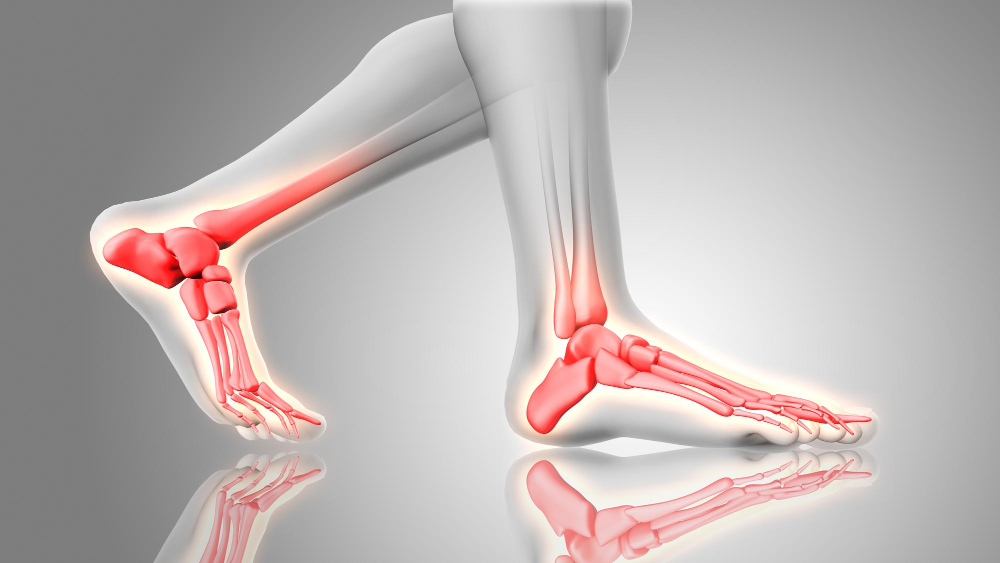
Tarsal Tunnel Syndrome is a nerve compression syndrome that develops as a result of pressure on the posterior tibial nerve located in the tarsal tunnel in the ankle area. The tarsal tunnel is a passage located in the ankle and heel area and many vessels and nerves pass through it. The posterior tibial nerve is an important nerve located within this tunnel and controls the sensation and muscle movements of the sole of the foot.
Tarsal Tunnel Syndrome occurs as a result of compression of the posterior tibial nerve due to narrowing or swelling in the structures within the tarsal tunnel. Symptoms of this syndrome may include:
Pain and burning sensation in the sole of the foot
Numbness and tingling in the soles of the feet
Pain in the heel area
Swelling or edema in the ankle
Plantar and heel pain may increase, especially when walking or standing for long periods of time.
Causes and risk factors for Tarsal Tunnel Syndrome may include:
Ankle injuries or traumas
ankle swelling
Bone protrusions on the soles of the feet
Abnormal structures of foot bones
Systemic health problems such as diabetes or rheumatoid arthritis
Treatment of Tarsal Tunnel Syndrome may vary depending on the severity and cause of the syndrome. Treatment options may be as follows:
Rest and Shoe Changes: Foot rest and wearing more comfortable shoes may relieve symptoms.
Physical Therapy: Exercises that strengthen and stretch the foot and leg muscles can relieve pressure on the nerve.
Medications: May be prescribed to relieve pain and inflammation.
Insoles or Orthopedic Shoes: Special insoles or shoes can provide support to the sole of the foot.
Surgical Intervention: If other treatment methods do not work or the syndrome is severe, surgery may be required to widen the tarsal tunnel or release the nerve.
Tarsal Tunnel Syndrome is a medical condition that requires diagnosis and treatment. Therefore, people experiencing symptoms should contact a healthcare professional. Proper treatment can help relieve symptoms and improve foot function.
Contact Us
.png)